A dryer that tumbles but does not produce heat is one of the most common service calls I get in the Denver metro area. The good news is that the cause is usually straightforward, and in some cases you can fix it yourself without calling a technician. Here are the most common reasons your dryer is not heating and what you can do about each one.
Clogged Lint Trap or Vent
This is the number one cause of dryer heating problems I see, and it is also the easiest to fix yourself. When the lint trap is packed or the exhaust vent is clogged, hot air cannot circulate properly. The dryer may still tumble, but your clothes come out damp after a full cycle.
Start by cleaning the lint trap thoroughly. Then disconnect the vent hose from the back of the dryer and check it for lint buildup. Follow the vent all the way to the exterior wall and make sure the outside flap opens freely. If the vent run is long or has multiple bends, consider having it professionally cleaned. This is a DIY-friendly fix that takes about 20 minutes and solves the problem more often than you might expect.
Blown Thermal Fuse
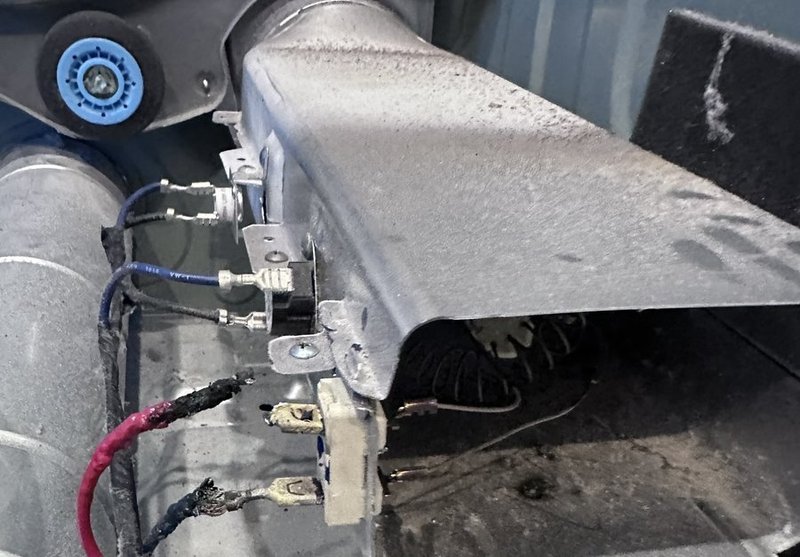
Every dryer has a thermal fuse that acts as a safety device. If the dryer overheats, the fuse blows and cuts off heat to prevent a fire. Once a thermal fuse blows, it does not reset. The dryer will continue to tumble, but it will not produce any heat at all.
A blown thermal fuse almost always means there was an underlying airflow problem, usually a clogged vent. Replacing the fuse without fixing the root cause will just lead to another blown fuse. I recommend calling a professional for this repair so the airflow issue gets diagnosed at the same time. The fuse itself is inexpensive, and the repair is quick.
Faulty Heating Element
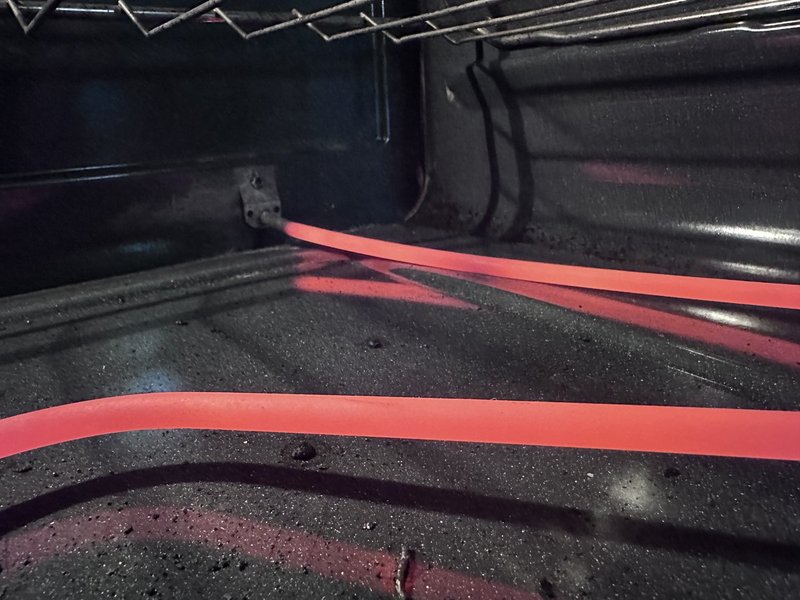
In electric dryers, the heating element is a coil of wire that glows red-hot to generate heat. Over time, these coils can break or burn out. When that happens, you get zero heat. You might notice that the dryer was gradually taking longer to dry clothes before the element failed completely.
Replacing a heating element involves opening the dryer cabinet and working with electrical components. While it is technically possible as a DIY project, I recommend having a technician handle it to ensure the new element is installed correctly and that no other components were damaged. This is one of the more affordable repairs I do, and it extends the life of the dryer by several years.
Gas Igniter or Flame Sensor (Gas Dryers)
If you have a gas dryer, the igniter is responsible for lighting the gas to create heat. Igniters wear out over time and eventually fail to glow hot enough to open the gas valve. You may notice the dryer heating intermittently before it stops heating altogether.
Gas dryer repairs involve working with gas lines and electrical components, so this is not a DIY job. If you smell gas at any point, turn off the dryer, open a window, and call a professional immediately. I carry replacement igniters and flame sensors for most major brands and can typically complete this repair in a single visit.
Faulty Timer or Cycling Thermostat
The cycling thermostat monitors the air temperature inside the drum and tells the heating element or gas valve when to turn on and off. If it fails, the dryer may not heat at all or may overheat. The timer controls the duration of each cycle phase, and a defective timer can skip the heating portion entirely.
Diagnosing a thermostat or timer issue requires a multimeter and knowledge of the dryer’s wiring diagram. This is a job for a professional. I test these components as part of my standard diagnostic so you know exactly what needs to be replaced before any work begins.
Power Issues (Electric Dryers)
Electric dryers run on a 240-volt circuit, which uses two separate breakers in your electrical panel. If one breaker trips but the other does not, the dryer will have enough power to tumble the drum but not enough to run the heating element. This is a surprisingly common issue that people overlook.
Check your electrical panel and make sure both breakers for the dryer are fully in the on position. If a breaker has tripped, reset it. If it trips again immediately, do not keep resetting it. That indicates a wiring issue that needs attention from an electrician. If the breakers look fine but the dryer still is not heating, the outlet itself or the power cord could be the problem. This is something you can check yourself before calling for a repair.
Still not getting heat? I diagnose dryer problems for a $75 service visit in the Denver metro area, and every repair comes with my 180-day warranty. Most dryer repairs are completed the same day.
When to Call a Professional
If you have cleaned the lint trap and vent, checked the breakers, and the dryer still is not heating, the problem is internal. At that point, diagnosing the issue requires testing individual components with specialized tools. I will tell you exactly what is wrong and give you an honest recommendation on whether the repair makes financial sense for your particular dryer. If your machine is less than eight years old, repair is almost always the better choice.